
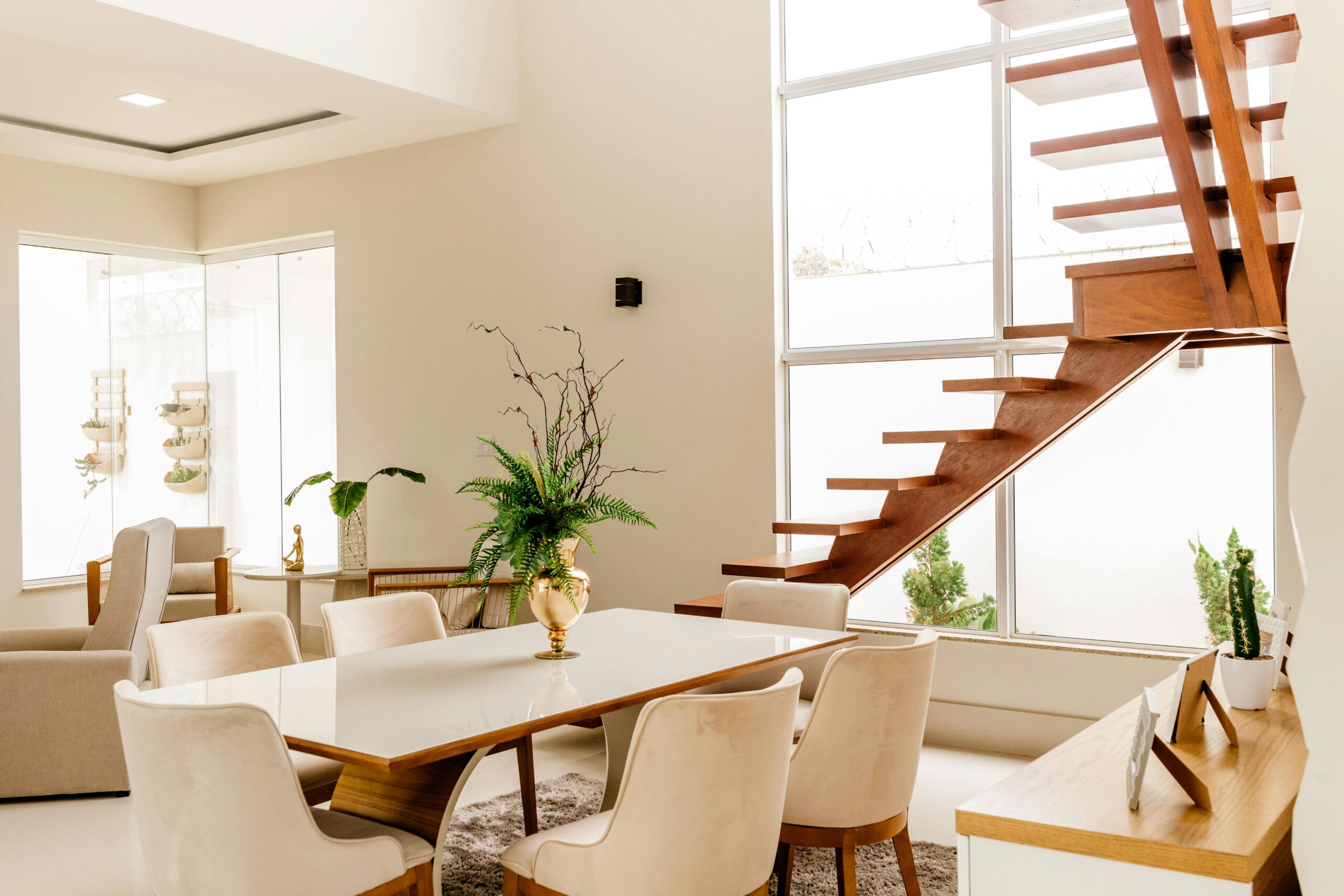
Minimalism for small homes isn’t about owning as little as possible. It’s about choosing items that quietly support your daily life without adding friction. The right objects don’t draw attention to themselves — they make your home easier to live in.
This guide focuses on a few carefully chosen essentials that help small homes feel calmer, more functional, and less demanding.
Table of Contents
1. Storage that reduces visual noise
In small homes, clutter isn’t just physical — it’s visual. Open surfaces filled with small items quickly make a space feel crowded. Minimalist storage helps by grouping everyday items and limiting what stays in sight.
Simple baskets, neutral boxes, and low-profile organizers work best because they don’t compete for attention. When storage blends into the background, the room feels calmer even when it’s full.
A few well-chosen storage pieces often replace many smaller ones.
👉 Check space-saving storage options on Amazon
2. Multi-purpose cleaning tools instead of many products
Minimalism works best when cleaning is simple. One multi-surface cleaner, a small set of microfiber cloths, and a compact brush often replace an entire cupboard of products.
Using fewer tools makes cleaning faster and removes the decision-making that comes with choosing between products. In small homes, accessibility matters more than variety.
When cleaning tools are easy to grab, maintenance becomes part of daily life instead of a task you postpone.
👉 View multipurpose cleaning spray bottle
3. Furniture that earns its place
Every piece of furniture in a small home should justify the space it takes. Minimalist furniture doesn’t have to be small — it has to be useful.
Storage beds, slim shelving units, and compact seating with clean lines support daily routines without overwhelming the room. The best furniture quietly solves problems instead of creating new ones.
Choosing fewer, more functional pieces makes the entire home feel more open.
4. Trays and organizers that create defaults
Minimalism isn’t about removing everything from surfaces. It’s about making surfaces intentional.
Trays and small organizers create clear boundaries for everyday items like keys, coffee tools, or skincare. When items have a defined place, surfaces stay calmer without constant tidying.
These small systems reduce mental clutter more than large storage changes ever could.
👉 Transparent Skincare organizer
5. Items that support routines, not aesthetics
Minimalist homes are often mistaken for aesthetic spaces. In reality, the most effective minimalist items are chosen for how they support routines.
Think about what you reach for every day. Items that make mornings smoother, cooking easier, or cleaning quicker deserve their place. Items that interrupt these routines slowly drain energy.
Minimalism becomes sustainable when function leads and aesthetics follow.
6. A small number of flexible essentials
Small homes change quickly. Seasons shift, routines evolve, and needs adjust. Minimalist living works best when your essentials are flexible enough to adapt.
Foldable racks, stackable containers, and modular storage allow your space to change without constant replacement. Flexibility prevents clutter from building up again.
Owning fewer but adaptable items keeps your home resilient.
👉 Check out this foldable laundry rack from amazon
7. Final thoughts
Minimalism in small homes isn’t achieved by owning less — it’s achieved by choosing better. When each item reduces friction instead of adding it, your home becomes calmer without effort.
The right essentials don’t make your home look minimal. They make it feel lighter.
8. Related articles
- 7 Space-Saving Cleaning Tools That Actually Make Small Homes Easier
- 20 Smart Storage Ideas for Small Bathrooms
- How to Create a Functional Entryway in a Small Space
- 15 Clever Ways to Make a Small Apartment Feel Bigger
This article contains affiliate links. If you purchase through these links, I may earn a small commission at no extra cost to you.